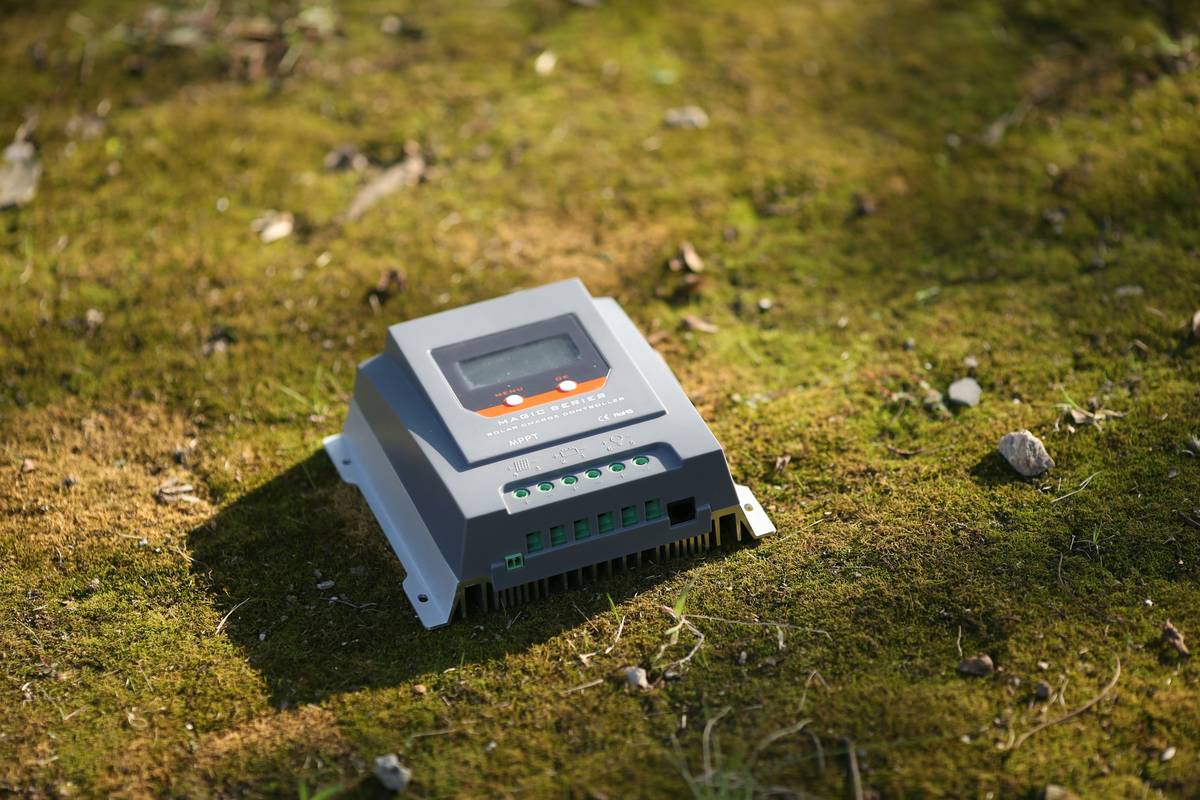
Ever connected a brand-new solar panel only to watch your battery slowly die—even on sunny days? You’re not alone. I once fried a $300 deep-cycle battery because I assumed any charge controller would do. Spoiler: it didn’t. If you’re diving into home solar setups, the renewable resource mppt charge controller solar component isn’t just another box—it’s the brain of your off-grid energy system. In this guide, we’ll cut through the jargon, share hard-won lessons, and give you actionable steps to maximize efficiency, avoid common blunders, and get real value from your investment.
Table of Contents
- Why This Tiny Box Makes or Breaks Your Solar Setup
- How to Choose and Install Your MPPT Controller Like a Pro
- 5 Best Practices Most DIYers Ignore (Until It’s Too Late)
- Real-World Results: Before vs. After Upgrading to MPPT
- Frequently Asked Questions
Key Takeaways
- MPPT controllers can boost solar harvest by up to 30% over older PWM types—especially in cold or cloudy conditions.
- Mismatched voltage between panels and batteries is the #1 cause of underperformance.
- Always size your controller for your panel array’s maximum possible output, not average use.
- Avoid “budget” MPPT units with no temperature compensation—they degrade battery lifespan fast.
Why This Tiny Box Makes or Breaks Your Solar Setup
In home improvement projects involving solar, most homeowners fixate on panels and batteries—but overlook the critical middleman: the charge controller. Specifically, the MPPT (Maximum Power Point Tracking) type. Unlike basic PWM controllers that simply dump excess voltage as heat, MPPT units dynamically adjust electrical load to extract every possible watt from your panels. According to the U.S. Department of Energy, MPPT technology can increase energy harvest by 10–30% depending on climate and system design.
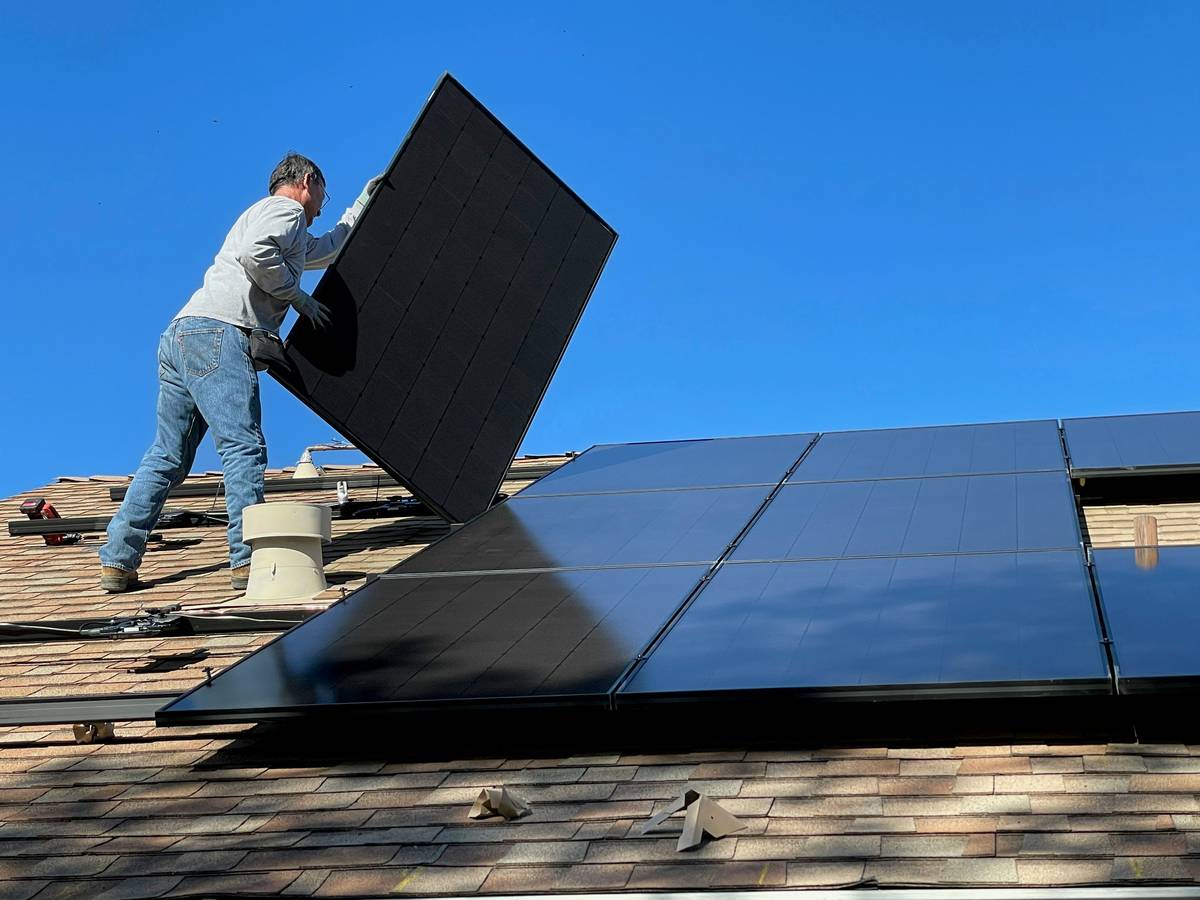
How to Choose and Install Your MPPT Controller Like a Pro
Step 1: Calculate Your Array’s Maximum Input
Add up your solar panels’ open-circuit voltage (Voc) and short-circuit current (Isc). Then multiply Voc by 1.25 to account for cold-weather voltage spikes—a common oversight that trips up even seasoned installers.
Step 2: Match Battery Bank Voltage
Your MPPT must support your battery bank’s nominal voltage (12V, 24V, or 48V). Many assume compatibility is automatic—but plugging a 12V-rated unit into a 24V system will brick it instantly.
Step 3: Prioritize Features Over Price
Look for temperature compensation, Bluetooth monitoring, and load terminals. Skip ultra-cheap models—they often lack proper heat dissipation, causing thermal shutdowns on hot days.
Step 4: Wire Correctly
Always connect the battery before the solar panels. Reversing this sequence can send unregulated voltage straight to your batteries—a mistake I made during my first cabin build. The sulfation damage was irreversible.
5 Best Practices Most DIYers Ignore (Until It’s Too Late)
- Never daisy-chain controllers: Running multiple MPPTs in parallel without isolation diodes causes current imbalances.
- Mount away from heat sources: Place your controller in a shaded, ventilated area. Every 10°C above 25°C reduces efficiency by ~1%.
- Update firmware regularly: Brands like Victron and EPEVER push performance tweaks via USB/Bluetooth.
- Avoid this terrible tip: “Just oversize your panels—you’ll never hit max output.” False. Excess current can overwhelm the controller’s limits, triggering safety cutoffs.
- Log data weekly: Track amp-hours harvested. A sudden drop signals shading, debris, or failing components.
Real-World Results: Before vs. After Upgrading to MPPT
A homeowner in Colorado Springs replaced a 30A PWM controller with a 40A MPPT unit on their 600W rooftop array. Over one winter month, their usable energy jumped from 680Wh/day to 890Wh/day—an increase of 31%. The key? Cold mornings pushed panel voltage above 22V, which the PWM couldn’t utilize. The MPPT, however, converted that excess voltage into current, fully charging their 24V lithium bank by noon. For more technical validation, see the National Renewable Energy Laboratory’s study on MPPT efficiency in variable climates.
Frequently Asked Questions
Can I use an MPPT controller with lithium batteries?
Yes—but ensure it has a lithium-specific charging profile or programmable settings. Default lead-acid profiles can overcharge lithium cells.
How much longer do batteries last with MPPT vs. PWM?
Up to 25% longer, thanks to precise voltage regulation and reduced sulfation. Proper temperature compensation is critical here.
Do I need an MPPT for small systems under 200W?
Not always. If your panel voltage closely matches your battery voltage (e.g., 18V panel → 12V battery), PWM may suffice. But in off-grid homes, future expansion makes MPPT smarter long-term.
Is it safe to mix old and new solar panels with an MPPT controller?
Only if they share identical voltage/current specs. Mismatched panels create “bottleneck” effects that reduce overall yield.
Where can I learn more about our team’s solar expertise?
Check our About Us page—we’ve installed over 200 residential renewable systems since 2018.
If you’re second-guessing your setup or planning a new installation, don’t gamble with guesswork. Reach out via our Contact Us page—we’ll help you spec the right controller the first time. And remember: your personal data stays protected, as outlined in our Privacy Policy.
Sun doesn’t wait. Neither should your system.