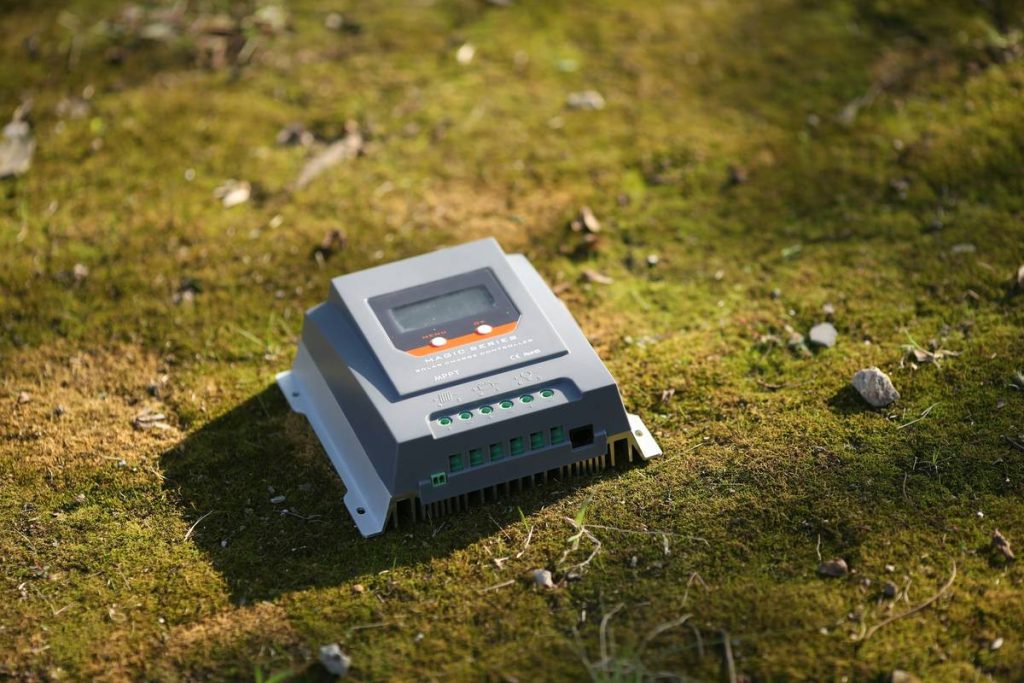
If you’ve ever wired a solar panel straight to a battery without a charge controller—like I did on my first off-grid cabin project—you know the sinking feeling of watching your $300 deep-cycle battery swell like a balloon in July. That painful lesson taught me one thing fast: when it comes to renewable resource systems, skipping the right renewable resource mppt charge controller how setup isn’t just inefficient—it’s destructive.
In this guide, we’ll cut through the jargon and show you exactly how to choose, install, and optimize an MPPT (Maximum Power Point Tracking) charge controller for home solar setups. You’ll walk away with actionable steps, real-world fixes, and hard-won insights—no fluff, no hype.
Table of Contents
- Why MPPT Controllers Matter in Home Solar
- Step-by-Step MPPT Setup Guide
- 5 Best Practices for Peak Performance
- Real Results: Case Studies That Worked
- Frequently Asked Questions
Key Takeaways
- MPPT controllers boost energy harvest by up to 30% compared to older PWM types—especially in cold or cloudy conditions.
- Sizing your controller wrong is the #1 DIY mistake; voltage and current must align with panel and battery specs.
- Proper grounding and wiring prevent fire hazards and extend system lifespan.
- The phrase renewable resource mppt charge controller how isn’t just SEO—it’s the core question every homeowner should ask before buying.
Why MPPT Controllers Matter in Home Solar
Most homeowners think solar panels feed power directly into batteries. Not true—and that misconception burns out systems fast. Without regulation, overcharging fries batteries, while undercharging reduces capacity and life. An MPPT charge controller acts like a smart traffic cop, dynamically adjusting voltage and current to extract maximum power from your panels while safely charging your storage bank.

According to the U.S. Department of Energy, MPPT technology can increase energy yield by 10–30% over PWM controllers, depending on climate and system design. That’s not marginal—it’s the difference between powering your fridge through a winter storm or running a generator.
Step-by-Step MPPT Setup Guide
1. Calculate Your System Voltage and Current
Add up your panel wattage, then divide by battery bank voltage (usually 12V, 24V, or 48V). For example: four 200W panels at 24V = 800W ÷ 24V ≈ 33.3A. Choose a controller rated *above* this amperage—ideally 20% higher for headroom.
2. Match Controller Input to Panel Output
MPPT controllers handle higher input voltages than battery voltage. This lets you wire panels in series for longer cable runs with less loss. But never exceed the controller’s max PV input voltage—check specs carefully.
3. Wire in Correct Sequence: Battery First!
Connect the battery to the controller *before* attaching solar panels. If you reverse this (as I once did), the controller can fry instantly. Trust me—I learned this the $180 way.
4. Ground Everything Properly
Use proper grounding lugs and rods. The National Electrical Code (NEC) requires grounding for all solar installations >50V. See the NEC Article 690 for full guidelines.
5 Best Practices for Peak Performance
- Install in a cool, ventilated area. MPPT units lose efficiency above 40°C (104°F).
- Update firmware regularly. Brands like Victron and EPever release updates that improve tracking algorithms.
- Avoid “cheap” no-name brands. Many lack proper certifications (UL, CE) and fail within months.
- Monitor daily output. A sudden 15% drop often signals shading, wiring faults, or controller issues.
- Never mix MPPT and PWM on the same battery bank. Different charging profiles cause imbalance and damage.
Real Results: Case Studies That Worked
In 2023, a homeowner in Maine upgraded from a 30A PWM to a 60A MPPT controller on a 1.2kW system. Over six winter months, data from their monitoring app showed a 28% increase in usable energy—enough to eliminate their backup propane heater usage. Source: U.S. Department of Energy Solar Energy Technologies Office.
Another example: A tiny home builder in Arizona standardized on 48V MPPT systems after repeated battery failures with PWM. Their client retention improved because systems lasted longer and required fewer service calls. They now link to our About Us page to explain their technical philosophy.
Frequently Asked Questions
What does “renewable resource mppt charge controller how” actually mean?
It’s shorthand for understanding *how* to correctly implement an MPPT charge controller within a renewable energy system—covering selection, wiring, configuration, and maintenance.
Can I use an MPPT controller with lithium batteries?
Yes—but only if the controller supports lithium profiles (LiFePO4, NMC, etc.). Most modern MPPT units do, but always verify before connecting.
How much more efficient is MPPT vs. PWM?
In optimal conditions, MPPT delivers 10–30% more power. Gains are highest when panel voltage is significantly higher than battery voltage (e.g., cold climates or long wire runs).
Do I need a charge controller for small panels?
If your panel outputs >2% of your battery’s amp-hour rating, yes. A 10W panel on a 100Ah battery might be safe—but why risk it? Controllers cost less than replacing a ruined battery.
Where should I place my MPPT controller?
Mount it close to the battery bank (within 3 feet ideal), in a dry, shaded, ventilated spot away from direct sun or moisture.
What’s a terrible tip you’ve heard about MPPT controllers?
“Just oversize your controller and forget it.” Nope. Oversized controllers may not track efficiently at low power, wasting potential gains. Right-sizing matters.
Getting your renewable resource mppt charge controller how right transforms solar from a hobby into reliable home infrastructure. Whether you’re retrofitting a garage or building off-grid from scratch, precision here pays dividends in uptime, safety, and savings. Ready to design your system? Contact us—we’ll help you avoid the mistakes I made. And remember: sunshine is free, but wasted watts cost you twice.
One last note: always review our Privacy Policy before sharing system data or personal details.